Robert Redford and the Birth of Sundance; The Place Where the Voices of Young Filmmakers Were Heard
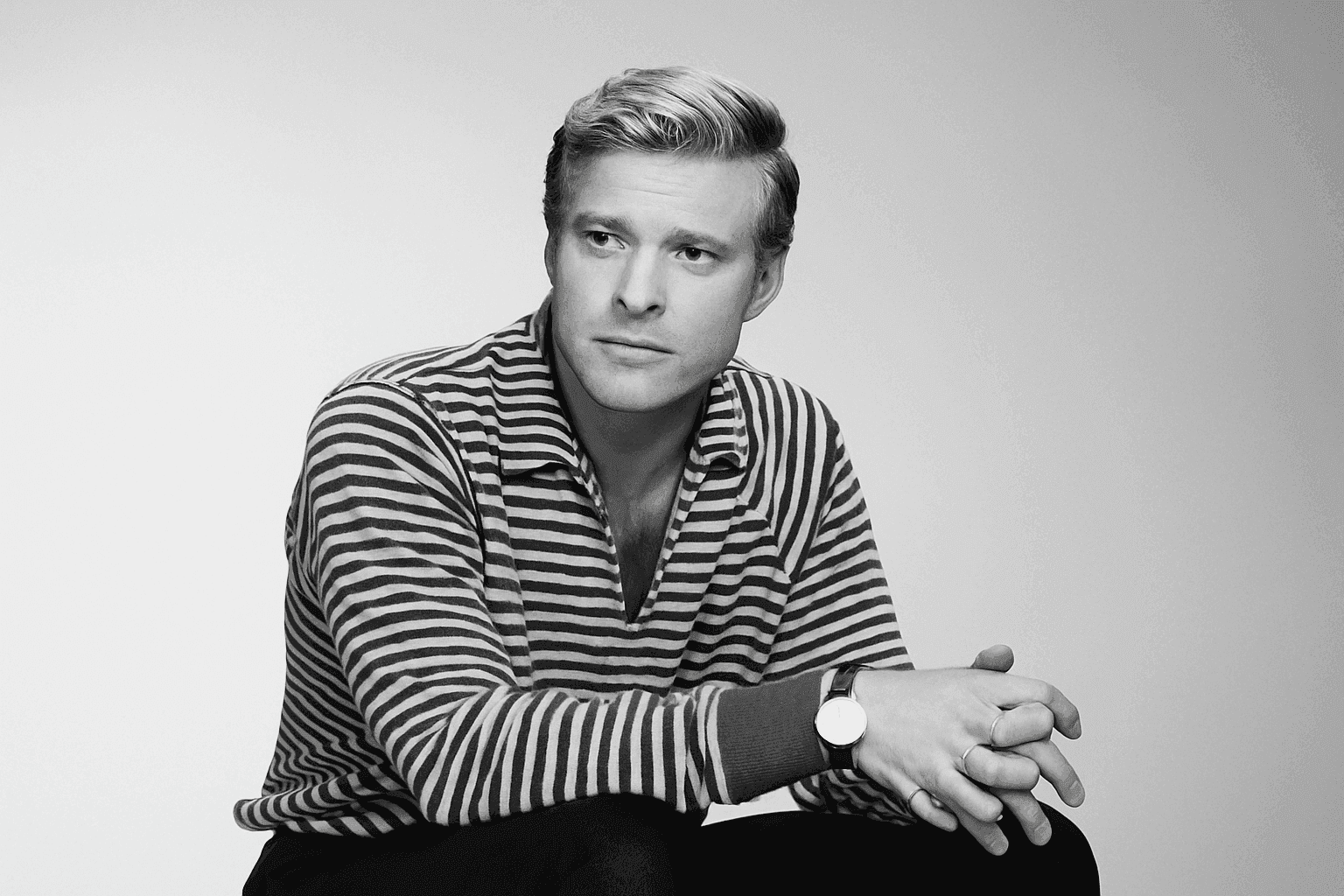
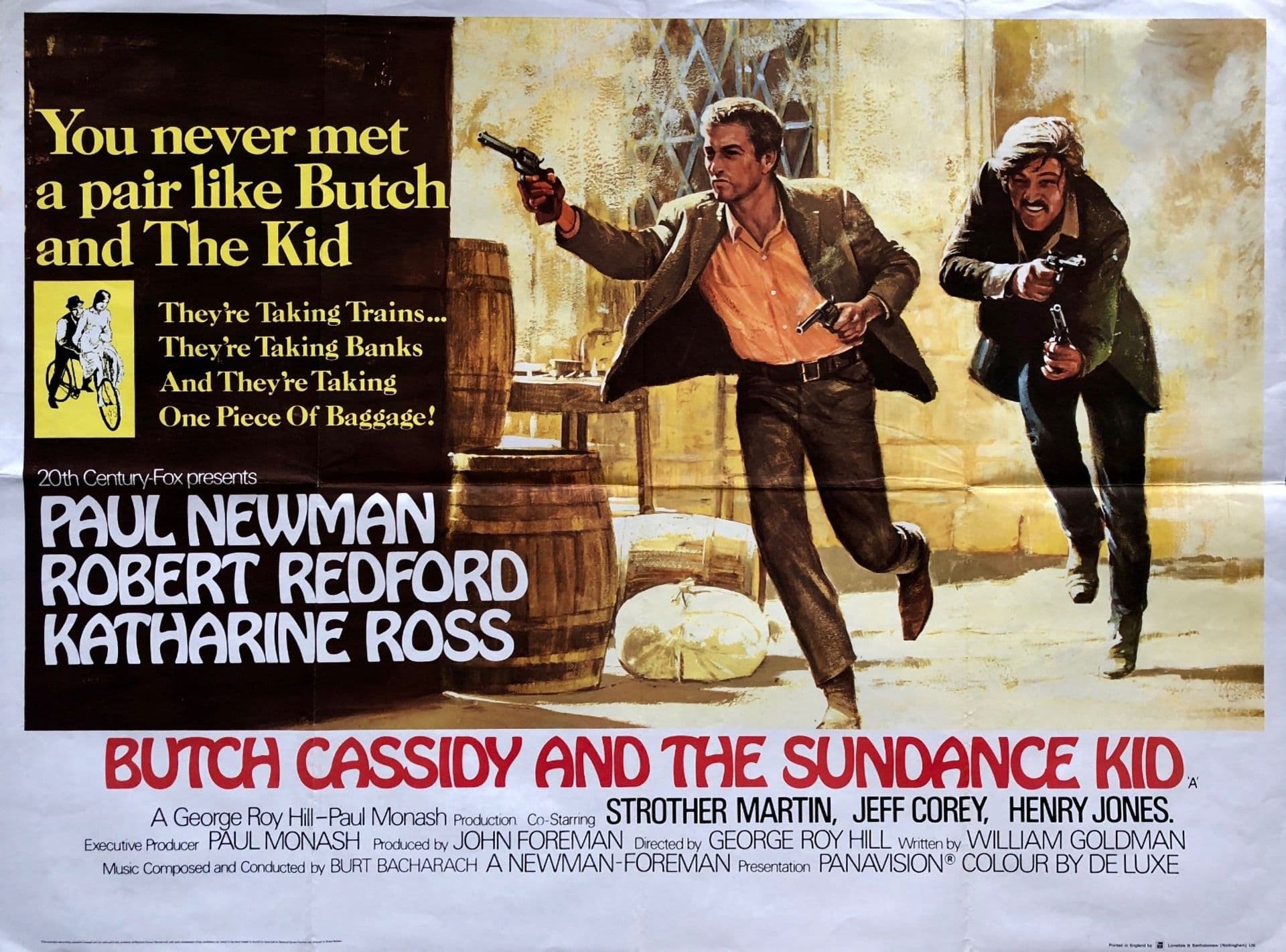
Robert Redford, actor, director, producer, and one of the influential figures in contemporary American cinema, was born on August 18, 1936, in Santa Monica, California, and died on September 16, 2025, in Sundance, Utah. In the 1950s and early 1960s, he paved his career path with television roles and appearances on Broadway to reach bigger film roles. Redford became an important "male star" in the late 1960s and 1970s. The prominent films that immortalized his name include Butch Cassidy and the Sundance Kid (1969) and The Sting (1973)—both close collaborations with Paul Newman and directed by George Roy Hill—as well as works like Jeremiah Johnson and All the President's Men. Redford also turned to directing in the late 1970s, and his first directorial appearance with Ordinary People (1980) was extremely successful—a film that brought him the Academy Award for Best Director and Best Picture. He later directed works such as A River Runs Through It (1992), Quiz Show (1994), The Horse Whisperer (1998), and Lions for Lambs (2007). As a director, Redford is often known for his attention to character-driven dramas, a relatively gentle visual space, and a focus on ethical/social issues.
Robert Redford founded the Sundance Institute in 1981, creating a space for those filmmakers who could not find a place in Hollywood to express their creativity. In this institute, young writers and directors could develop their scenarios in a supportive and educational environment. A few years later, this movement led to the establishment of the Sundance Film Festival; a festival with a different approach than the glamorous European festivals, focusing on low-budget, experimental, and unconventional films. This policy allowed works such as Sex, Lies, and Videotape by Steven Soderbergh, Pi by Darren Aronofsky, and the first films of Chloé Zhao to be exposed to critics and serious audiences for the first time. For many of these directors, Sundance was the first opportunity for their film to not only be seen but to be taken seriously as an artistic work. Redford’s legacy in Sundance is not limited to holding a creative festival; he institutionalized a culture of trust, risk-taking, and talent development within the independent cinema movement. His personal presence in screenwriting workshops and the feedback he gave young filmmakers showed that his goal was not merely organizing an event, but nurturing a new generation of voices and narratives. Today, many prominent filmmakers around the world, from Soderbergh and Tarantino to Zhao and Coogler, owe their path to the supportive environment that Sundance provided for them. In this way, Redford showed that cinema, for survival and innovation, needs such refuges; a place far from Hollywood's commercial formulas and close to the dreams of young filmmakers.
The short film section of the Sundance Festival has been one of the main pillars of this event since its inception in the 1980s. This section was created with the aim of discovering new voices and providing a platform for emerging filmmakers, where young directors can expose their short works to critics, producers, and international festivals. With an open and courageous perspective, Sundance supports short films that display personal, creative, and experimental narratives; works that usually have no place in the studio system. The festival organizers, in addition to screening the works, hold workshops, critique and discussion sessions, and specialized panels to enhance direct communication between creators and the film industry. Therefore, Sundance is not only a platform for screening but a school for growth and experimentation; a place where the future of cinema emerges from within its short films. Participation in this section can be a unique opportunity for young filmmakers to be seen and enter the professional network of cinematographers.